This article explores the practical importance of the spiral clamp in modern industrial, plumbing, HVAC, automotive, and mechanical systems. It explains how spiral clamps work, why they are widely used, and what problems they solve in real-world applications such as vibration control, sealing reinforcement, hose security, and high-pressure environments. You will also find installation guidance, comparison tables, troubleshooting insights, and maintenance tips designed to help engineers, technicians, and buyers make informed decisions. The content is structured to address common operational challenges and highlight long-term performance considerations.
Introduction
In modern engineering systems, securing hoses, pipes, and flexible tubing is not just about tightening a connection—it is about ensuring long-term stability under pressure, vibration, temperature variation, and environmental stress. One component that plays a surprisingly critical role in this process is the spiral clamp.
Unlike conventional fastening tools, spiral clamps are engineered to distribute force evenly while maintaining a secure grip on cylindrical surfaces. This makes them especially valuable in systems where leakage, loosening, or vibration failure can lead to costly downtime or safety hazards.
As industries evolve toward higher efficiency and durability standards, the demand for reliable fastening solutions like spiral clamps continues to grow.
What Is a Spiral Clamp?
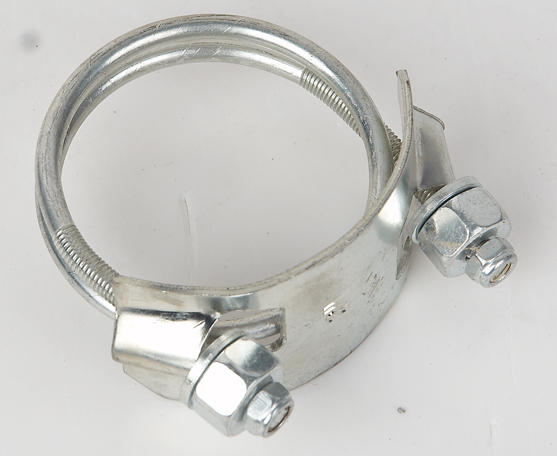
A spiral clamp is a specialized fastening device designed to secure hoses, pipes, and tubing by applying uniform radial pressure through a spiral or helical tightening structure. Unlike standard hose clamps that rely on a single tightening band, spiral clamps distribute force more evenly along the circumference.
This structural design helps reduce stress concentration points, which are often the main cause of material deformation or leakage.
-
Typically made of stainless steel or carbon steel
-
Designed for high-pressure and vibration environments
-
Common in fluid transfer and air systems
How Spiral Clamps Work
The working principle of a spiral clamp is based on controlled mechanical tension applied in a helical pattern. When tightened, the clamp gradually compresses the hose or pipe from multiple points rather than a single tightening axis.
This ensures:
-
Even pressure distribution
-
Reduced risk of material cutting or deformation
-
Improved sealing performance under vibration
In high-pressure systems, this uniform compression helps maintain integrity even when internal pressure fluctuates significantly.
Key Industrial Applications
Spiral clamps are widely used across multiple industries due to their adaptability and reliability.
|
Industry
|
Application
|
Purpose
|
|
Plumbing Systems
|
Water pipelines and drainage hoses
|
Leak prevention and secure sealing
|
|
Automotive
|
Cooling and fuel systems
|
Vibration resistance and pressure stability
|
|
HVAC
|
Air ducts and refrigerant pipes
|
Maintaining airtight connections
|
|
Industrial Machinery
|
Hydraulic and pneumatic systems
|
High-pressure containment
|
|
Agriculture
|
Irrigation hoses
|
Durable outdoor performance
|
Main Advantages of Spiral Clamps
-
Even Pressure Distribution: Reduces damage to hoses and pipes.
-
High Durability: Suitable for long-term industrial use.
-
Vibration Resistance: Ideal for moving machinery and vehicles.
-
Leak Prevention: Maintains tight sealing under pressure changes.
-
Corrosion Resistance: Stainless steel options extend lifespan.
These advantages make spiral clamps particularly valuable in systems where reliability is non-negotiable.
Spiral Clamp vs Traditional Clamps
|
Feature
|
Spiral Clamp
|
Traditional Clamp
|
|
Pressure Distribution
|
Even and multi-point
|
Single-point tightening
|
|
Vibration Resistance
|
High
|
Medium to low
|
|
Leak Protection
|
Excellent
|
Moderate
|
|
Durability
|
Long-term industrial use
|
Standard applications
|
|
Installation Complexity
|
Moderate
|
Simple
|
While traditional clamps are still widely used, spiral clamps offer a significant upgrade in demanding environments.
Installation Guide
Proper installation is critical to ensure performance and durability.
-
Clean the hose or pipe surface before installation.
-
Position the spiral clamp evenly around the connection area.
-
Begin tightening gradually to ensure uniform compression.
-
Check alignment to avoid uneven pressure points.
-
Perform a pressure test after installation.
Incorrect installation may lead to leakage or reduced clamp lifespan, so attention to detail is essential.
Common Problems & Solutions
-
Leakage after installation: Often caused by uneven tightening. Reinstall and ensure uniform pressure.
-
Clamp slipping: Check if the correct size is selected.
-
Corrosion issues: Use stainless steel variants in humid environments.
-
Deformation of hose: Avoid over-tightening during installation.
Maintenance Tips
Although spiral clamps are designed for durability, periodic inspection ensures long-term reliability.
-
Inspect clamps every 3–6 months in industrial systems
-
Check for rust or corrosion in outdoor applications
-
Re-tighten if vibration loosening is detected
-
Replace damaged clamps immediately
How to Choose the Right Spiral Clamp
Selecting the right spiral clamp depends on several key factors:
-
Material type: Stainless steel for corrosion resistance
-
Pipe diameter: Must match hose size precisely
-
Pressure rating: Higher pressure systems require reinforced clamps
-
Environmental conditions: Heat, moisture, and chemical exposure
Making the right selection helps improve system efficiency and reduces maintenance costs.
Frequently Asked Questions
1. What is the main purpose of a spiral clamp?
It is used to securely fasten hoses or pipes while ensuring even pressure distribution and preventing leaks.
2. Can spiral clamps be reused?
In many cases, yes. However, reuse depends on condition and whether deformation has occurred.
3. Are spiral clamps suitable for high-pressure systems?
Yes, they are specifically designed for high-pressure and vibration-prone environments.
4. What materials are commonly used?
Stainless steel and carbon steel are the most common materials.
5. How do I prevent corrosion?
Choose corrosion-resistant materials and perform regular maintenance checks.
Conclusion
Spiral clamps are more than simple fastening components—they are essential engineering solutions that enhance safety, reliability, and performance across a wide range of industries. Their ability to distribute pressure evenly, resist vibration, and maintain secure sealing makes them a preferred choice in demanding applications.
Whether used in plumbing, automotive systems, HVAC networks, or industrial machinery, spiral clamps provide long-term stability that reduces maintenance costs and improves operational efficiency.