What Is a Foot Valve and Why Is It Essential for Reliable Fluid Control Systems
A foot valve is a small yet critical component in fluid transfer and pumping systems, playing a decisive role in maintaining prime, preventing backflow, and protecting pumps from damage. Despite its simplicity, choosing the wrong foot valve can lead to efficiency losses, frequent maintenance, or complete system failure. This in-depth guide explores what a foot valve is, how it works, its types, materials, applications, and how to select the right one for long-term reliability.
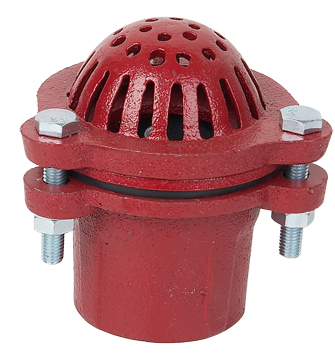
Table of Contents
- What Is a Foot Valve?
- How Does a Foot Valve Work?
- Why Is a Foot Valve Essential in Pumping Systems?
- Common Types of Foot Valves
- Foot Valve Materials and Their Performance
- Key Applications of Foot Valves
- How to Choose the Right Foot Valve
- Installation and Maintenance Best Practices
- Common Foot Valve Problems and Solutions
- Frequently Asked Questions (FAQ)
1. What Is a Foot Valve?
A foot valve is a type of check valve installed at the inlet end of a suction line, typically submerged in a fluid source such as a tank, well, or reservoir. Its primary function is to allow fluid to flow in one direction—into the pump—while preventing reverse flow when the pump stops.
Unlike standard check valves, a foot valve is usually equipped with a built-in strainer. This strainer blocks debris, sediment, and solid particles from entering the pumping system, reducing wear and extending equipment life.
For a detailed overview of structural designs and specifications, you can refer to this foot valve product reference.
2. How Does a Foot Valve Work?
The working principle of a foot valve is based on pressure differential:
- When the pump starts, suction pressure opens the valve disc or poppet.
- Fluid flows upward into the suction line.
- When the pump stops, gravity and back pressure force the valve closed.
- The retained fluid keeps the pump primed for the next cycle.
By maintaining prime, a foot valve eliminates the need for repeated manual priming, improving operational efficiency and reducing downtime.
3. Why Is a Foot Valve Essential in Pumping Systems?
Many system failures traced back to pumps are actually caused by missing or poorly selected foot valves. A high-quality foot valve provides several essential benefits:
- Prevents backflow: Stops fluid from draining back into the source.
- Maintains pump prime: Ensures immediate startup.
- Protects pump components: Reduces cavitation and dry running.
- Filters debris: Built-in strainers minimize clogging.
Companies like Beideli emphasize proper foot valve selection as a foundational step in designing reliable fluid systems.
4. Common Types of Foot Valves
| Type | Description | Typical Use |
|---|---|---|
| Spring-Loaded Foot Valve | Uses a spring mechanism for faster closing | High-pressure systems |
| Flapper Foot Valve | Simple hinged disc design | Low-pressure water transfer |
| Ball Foot Valve | Ball seals against the seat | Slurry or sediment-laden fluids |
| Plastic Foot Valve | Lightweight and corrosion-resistant | Chemical or agricultural use |
5. Foot Valve Materials and Their Performance
Material selection directly impacts the lifespan and compatibility of a foot valve:
- Brass: Durable, corrosion-resistant, ideal for water systems.
- Stainless Steel: High strength, chemical resistance, industrial-grade.
- Plastic (PVC, Nylon): Lightweight, cost-effective, chemical resistant.
- Cast Iron: Heavy-duty applications with non-corrosive fluids.
Choosing the correct material prevents premature failure and ensures regulatory compliance in industries such as food processing or chemical handling.
6. Key Applications of Foot Valves
Foot valves are widely used across industries:
- Water supply and irrigation systems
- Industrial pumping stations
- Oil and fuel transfer systems
- Chemical processing plants
- Firefighting and emergency pumping equipment
In agricultural irrigation, for example, a properly sized foot valve can significantly reduce startup time and energy consumption.
7. How to Choose the Right Foot Valve
Selecting the right foot valve involves evaluating several critical factors:
- Fluid type and chemical compatibility
- Operating pressure and temperature
- Suction pipe diameter
- Presence of solids or debris
- Installation depth and environment
Consulting experienced manufacturers like Beideli can help ensure optimal matching between system requirements and foot valve specifications.
8. Installation and Maintenance Best Practices
- Always install the foot valve vertically.
- Keep sufficient clearance from the tank bottom.
- Regularly clean the strainer.
- Inspect seals and moving parts periodically.
Proper installation not only improves performance but also extends the service life of both the foot valve and the pump.
9. Common Foot Valve Problems and Solutions
| Problem | Cause | Solution |
|---|---|---|
| Loss of prime | Worn valve seal | Replace or repair foot valve |
| Reduced flow | Clogged strainer | Clean strainer regularly |
| Valve chatter | Improper sizing | Choose correct valve size |
10. Frequently Asked Questions (FAQ)
Q1: Is a foot valve the same as a check valve?
No. While both prevent backflow, a foot valve is installed at the suction end and usually includes a strainer.
Q2: Can a pump work without a foot valve?
Technically yes, but it will require frequent priming and may suffer from reduced efficiency and damage.
Q3: How often should a foot valve be replaced?
Replacement depends on operating conditions, but regular inspection every 6–12 months is recommended.
Q4: What size foot valve should I use?
The foot valve size should match the suction pipe diameter to avoid flow restriction.
Conclusion
A foot valve may appear to be a small component, but its role in maintaining system stability, efficiency, and pump protection is enormous. From material selection to installation practices, every detail matters when designing a reliable fluid handling system.
If you are looking for professional guidance or high-quality foot valve solutions tailored to your application, contact us today. The team at Beideli is ready to help you optimize your system performance and reduce long-term operating costs.